Home / Countertops for Austin Lake Homes Near Lake Travis
Countertops for Austin Lake Homes Near Lake Travis
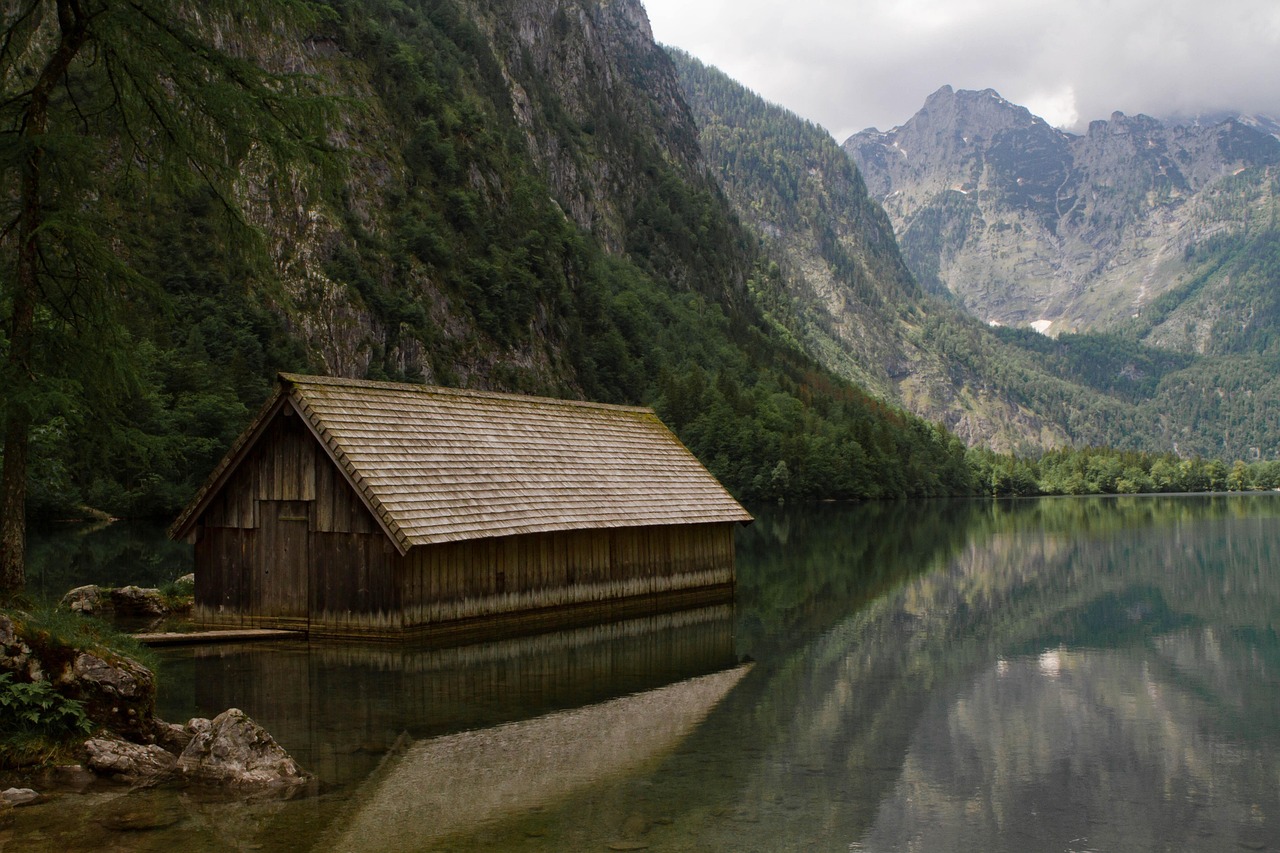
The short answer for a house above Lake Travis: choose a counter that shrugs off strong sunlight, wet hands and guests who do not know the rules, and plan the installation around a steep lot. Lake homes west of Austin are used differently from a house in town. They fill up on weekends, sit closed for stretches, and put kitchens behind walls of glass that face the water. Each of those habits pushes the material choice in a particular direction.
What Makes a Lake House Kitchen Different
A typical in town kitchen sees the same few people every day. A lake house kitchen might host a dozen relatives on a holiday weekend and then nobody for three weeks. The counter has to survive bursts of heavy use by people who have never been told which spray to use, and then long quiet periods with the air conditioning set high or switched off.
The setting adds its own stresses. Many of these homes sit on limestone hillsides along the Balcones Escarpment, with big windows angled toward the lake and the afternoon sun. Swimmers come in dripping. Coolers, fishing tackle and wet towels end up on the nearest flat surface. A counter that would be fine in a city kitchen can look tired quickly under that routine.
Sunlight Through Big Windows
Floor to ceiling glass is the reason many people buy on the lake, and it is also the main thing to plan for. Strong, direct sun matters in three ways.
First, ultraviolet light. Natural stones such as granite and soapstone are unaffected by it. Engineered stone contains resin, and most manufacturers do not warrant their slabs for outdoor use partly because long exposure to direct sun can shift the color of that resin. Indoors behind glass the effect is much milder, but a counter that sits in a hard beam of west light every afternoon is worth discussing with the fabricator, and low emissivity window film or shades help.
Second, glare. A highly polished dark slab under a wall of windows can bounce light straight into the eyes of anyone at the sink. A honed or leathered finish breaks up that reflection. Leathered granite, which has a soft textured feel, also hides fingerprints and water marks, a handy trait in a house full of guests.
Third, surface heat. A very dark counter in direct afternoon sun can get noticeably warm to the touch. That is a comfort issue rather than a damage issue for stone, but lighter colors stay cooler and feel better on bare forearms.
Humidity and the Closed Up House
The Austin area has a humid subtropical climate, and air near open water feels heavier still. When a weekend home sits shut with the thermostat set high, indoor humidity can climb. Stone and engineered stone do not care. Wood does. Butcher block absorbs moisture from the air and releases it when the house dries out again, and repeated swings can open gaps or raise the grain. If a wood island top is part of the plan, keep it sealed on every face, including the underside, and keep the air conditioning set to a sensible level instead of turning it off.
The other humidity problem shows up in the joints. Silicone caulk along the backsplash and around an undermount sink can grow mildew in a warm, damp, empty house. Choosing a mildew resistant caulk and checking those lines at the start of each season keeps them from turning gray.
Hard Water and Spots
Water around Austin and across the Hill Country passes through a lot of limestone, so it tends to carry dissolved minerals. Whether a home draws from a utility, a private well or a lake water system, those minerals dry into white rings around faucets and on any surface where a glass was left. On a dark, polished counter they show clearly. Mid tone stones and patterned engineered slabs hide them better, and a quick wipe with a dry towel after use prevents buildup.
Avoid treating mineral spots on natural stone with vinegar or lemon. Both are acids, and while granite generally tolerates an occasional mistake, marble and limestone will etch. A cleaner labeled safe for stone is the better habit.
Guests Who Do Not Know the Rules
The owner of a lake house may know that the island needs trivets, but a visiting cousin setting down a hot skillet does not. When a home is shared with family, lent to friends or used by several households, the forgiving choice is usually a hard natural stone. Granite and soapstone both handle hot pans, and soapstone in particular hides small scratches and can be sanded smooth again.
Engineered stone works well too, as long as the household accepts that a cracked or scorched spot is possible and leaves trivets where nobody can miss them. Solid surface is easy to wipe and can be repaired, but it is softer and less heat tolerant, so it suits a lightly used guest bath better than the main kitchen of a busy weekend house.
The Covered Bar and Grill Counter
Many lake properties include a shaded bar on a deck or under the eaves, used for drinks, snacks and cleaning the day's catch. Because a full treatment of outdoor counters is its own subject, the key points here are brief. Under a solid roof with real shade, granite is the most common pick because it handles sun, heat and rain. Very dark stone left in full sun gets hot enough to make people wince. A light colored granite with a leathered or flamed finish stays cooler and offers better grip for wet hands. Engineered stone is generally the wrong choice anywhere it will see direct weather.
A small fish cleaning station near the dock or bar benefits from a separate, simple surface and its own sink, so scales and slime never reach the main kitchen.
Countertop Installation on a Hillside Lot
Planning for countertop installation Austin lake homes require often comes down to access. Stone slabs are heavy and fragile until they are set on cabinets. A long island piece may need several installers walking it down a steep driveway, along a narrow path or up an outdoor stair. Before templating, it helps to:
- Walk the route from the street to the kitchen and note tight turns, steps and doors.
- Ask whether a large island will need a seam simply because a single piece cannot be carried in.
- Confirm the kitchen cabinet bases are level and strong enough for the slab weight, especially in older lake cottages that have settled.
- Schedule around the busy summer weekends so the crew is not competing with boat trailers on narrow lake roads.
Fabrication itself happens at the shop, where slabs are cut with a diamond blade or a water jet cutter under water to control silica dust. Only small adjustments should happen on site.
Easy Care for a Second Home
Owners of weekend houses outside Austin usually want a counter they can wipe down on Sunday night and forget. A practical routine looks like this:
- Clear the counters fully before leaving, so nothing sits in sun or humidity for weeks.
- Wipe with mild soap and water, then dry, paying attention to faucet bases where mineral rings form.
- At the start of each season, check caulk lines and, on natural stone that needs it, apply stone sealer as the fabricator recommended.
- Keep two or three trivets and a cutting board on the counter permanently for guests.
A Lake Travis kitchen gets more sun, more water and more strangers than most. Matching the counter to those conditions, instead of to a magazine photo, is what keeps it looking good for the long run of summers on the water.