Home / Choosing Kitchen Countertops for a Busy Austin Household
Choosing Kitchen Countertops for a Busy Austin Household
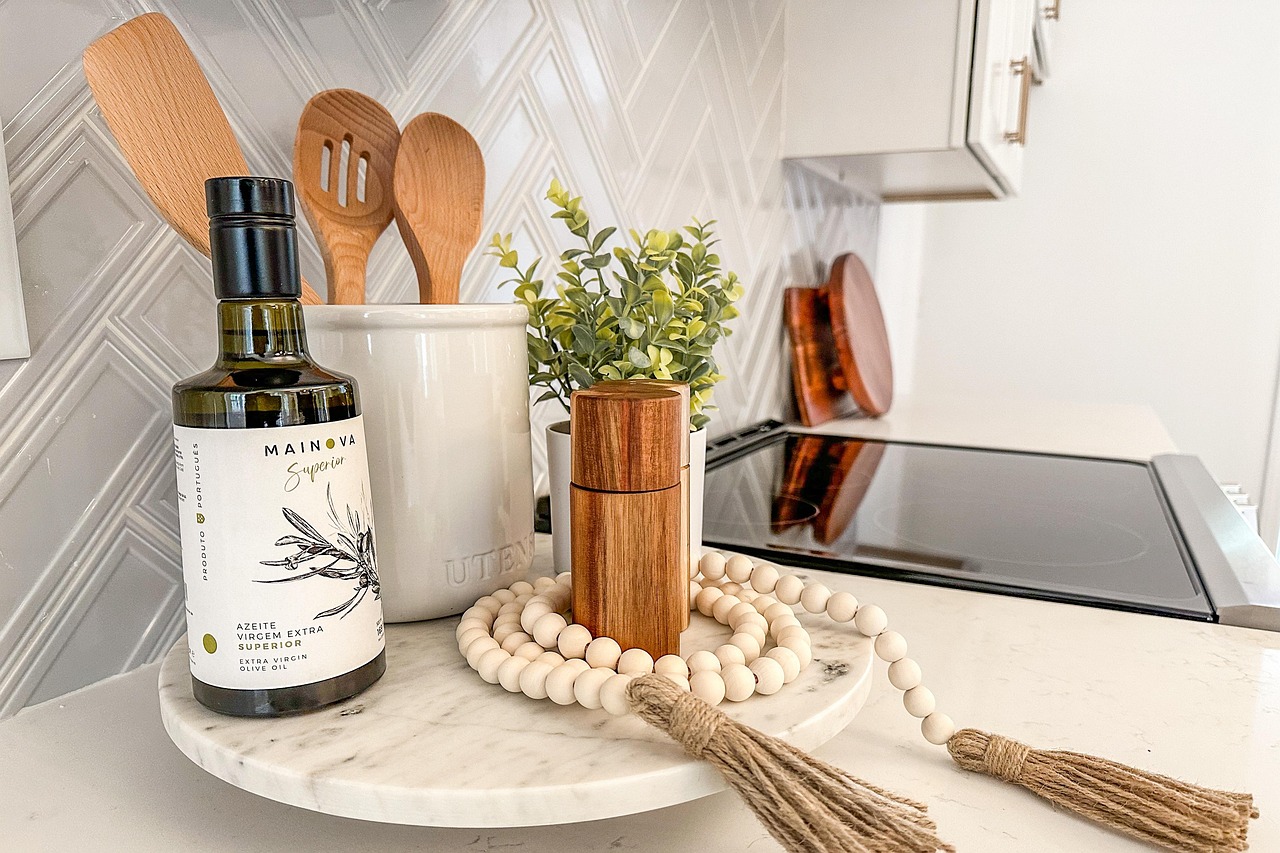
Picture a weeknight in a Travis County kitchen. One child is finishing math homework at the kitchen island, a pot of black beans is simmering, someone is slicing limes for tacos, and a soccer bag has landed exactly where the cutting board should go. In a house like that, the counter is not a showpiece. It is a work surface that gets bumped, wiped, scraped and leaned on dozens of times a day, and the right pick is whichever one still looks respectable after years of that treatment.
Families shopping for custom countertops Austin fabricators can cut and install tend to start with color samples. A better starting point is a plain inventory of how the room is used, followed by an honest look at which materials forgive the habits a busy household actually has.
Start With a Week of Real Use
Before visiting a slab yard, spend a few days noticing what happens on the counters. The answers shape the material choice more than any showroom display will. Useful things to note:
- How many people cook at once, and whether anyone bakes, cans or does serious meal prep on weekends.
- Where children eat, draw, glue and paint, and whether that happens on the island or at a table.
- Which spots collect mail, keys, phones and chargers, since those zones see sliding and scratching more than cooking.
- What cleaning products the household already uses and whether anyone will remember a special routine.
- How often friends and relatives gather, especially during the long Austin summer when people stay inside in the air conditioning.
A kitchen where one adult cooks simple dinners can carry a delicate surface. A kitchen with three teenagers and a parent who roasts chiles on Sunday needs something tougher and less fussy.
How the Common Materials Hold Up to Family Life
Engineered Stone
Engineered stone is crushed quartz bound with resin into a dense slab. For families, its biggest advantage is that it does not soak up spills, so grape juice, coffee and taco grease wipe away without a sealing schedule. It is also uniform, which makes it easy to match across a long run of cabinets. Its weak point is heat. A sheet pan pulled straight from the oven and set down on it can scorch or crack the resin, so a household that chooses it should build the habit of trivets and keep a pair of them out on the counter rather than in a drawer.
Granite
Granite is a natural igneous stone, very hard and comfortable with heat. A pot set down by a distracted cook will rarely hurt it. The busy, speckled patterns found in many granites also hide crumbs, water marks and fingerprints between wipe downs, which is a real benefit when nobody has time to polish. Granite does need a stone sealer on a schedule that depends on the specific slab; some dense varieties barely absorb anything, while lighter, more open stones benefit from attention every year or so. Ask the fabricator how absorbent the chosen slab is before committing.
Solid Surface
Solid surface, sold under names like Corian, is an acrylic material that can be joined with nearly invisible seams and formed into a sink that is one piece with the counter. That makes it easy to clean, since there is no lip where food collects. It is softer than stone, so knives and dragged pans leave marks, and it does not tolerate hot cookware well. For a family that values easy wiping over toughness, it can be a good fit, particularly on a long counter where seams would otherwise show.
Butcher Block
Wood counters feel warm and quiet, and a section of butcher block on part of an island gives kids a place to knead dough or roll cookies. Wood scratches, though, and it needs regular oiling or a sealed finish. Standing water near a sink is its enemy. Many households get the best of both by using wood only on a baking or serving zone away from the faucet.
Mixing Surfaces by Zone
Nothing says every counter in the kitchen has to be the same material. Splitting the room by task often works better for families than forcing one surface to handle everything. A common arrangement puts a hard, heat tolerant stone around the range and sink, where pans and water are constant, and a different surface on the island, where homework and snacks happen. The contrast also helps a large kitchen look less like one flat expanse.
The only caution is to keep the number of materials small. Two surfaces look intentional. Three or four can start to look like leftovers from different projects.
Picking Color and Pattern for a Crumb Heavy Kitchen
Solid white and solid black both look striking in photos, and both show everything. Pure white reveals coffee rings and turmeric. Deep black and dark charcoal reveal dust, fingerprints and the white film left by hard tap water. Mid tones with some movement, such as warm grays, beige stones with flecks, or engineered slabs with soft veining, are far more forgiving between cleanings.
Finish matters as much as color. A polished surface reflects light and shows smudges at certain angles. A honed or matte finish hides streaks but can hold onto oily fingerprints until it is wiped with soapy water. Seeing a large sample under the actual kitchen lighting, at night as well as in daylight, saves a lot of second guessing.
Austin Summers, Citrus and Limestone
Austin sits in a humid subtropical climate, and the summer stretches long. Families tend to cook and entertain indoors when the afternoon heat sets in, which means more cold drinks sweating rings onto the counter and more citrus for margaritas, aguas frescas and salsa. Lime and lemon juice are acidic, and acids dull calcium based stones.
That is worth knowing in a region built on limestone. The hills to the west along the Balcones Escarpment are full of it, and it shows up beautifully in local walls, fireplaces and landscaping. As a kitchen counter in a busy home, though, limestone is soft and reacts to acids, as does marble. A family that squeezes limes every weekend will usually be happier with granite, engineered stone or solid surface on the main prep area, and can enjoy local stone elsewhere in the house.
Cleaning Routines That Protect the Surface
The simplest routine is also the safest for almost every material: warm water, a drop of dish soap and a soft cloth, followed by a dry towel. Abrasive scouring powders and green scrub pads can dull a polished finish over time. Strong solvents and oven cleaner should stay off counters entirely.
For a household with several people cleaning, post the routine where everyone can see it, or keep one approved spray bottle under the sink and nothing else. Most counter damage in family kitchens comes from someone grabbing the wrong product, not from cooking itself.
Corners, Overhangs and Children
Island corners sit right at a toddler's head height. Asking the fabricator for a rounded corner radius on the island, instead of a sharp square point, is a small detail that prevents a lot of bumps. It also reduces chipping, since sharp stone corners are the first place damage appears when a chair or stroller hits them.
If kids will sit at the island, plan the seating overhang carefully. Children lean, climb and swing their legs, and a stone overhang needs proper support underneath, often steel brackets or a supported knee wall, depending on how far it extends. A fabricator can explain what the chosen slab and thickness require.
Islands, Slab Size and Seams
Families often want a big island, and a big island can run longer than a single slab. When that happens, the top needs a seam. A well placed seam, cut on a water jet cutter or with a diamond blade and filled with color matched epoxy, is barely noticeable, but it is better to decide its location during planning than to discover it on installation day. Away from the main seating spot is usually the best place.
Questions Worth Asking Before You Choose
- How does this specific slab handle hot pans, acids and dark liquids?
- Does it need sealing, and if so, how often for a heavily used kitchen?
- Where will seams fall on the island and the perimeter?
- What corner radius and seating support do you recommend for a household with young children?
- Which cleaning products should stay out of the house once the counters are in?
The best counter for a busy Austin family is rarely the one that looked best under showroom lights. It is the one whose strengths line up with the habits of the people who live there, from the after school snack rush to the Saturday night cookout that moves indoors when the heat refuses to break.