Home / Bathroom Vanity Tops in Austin Homes
Bathroom Vanity Tops in Austin Homes
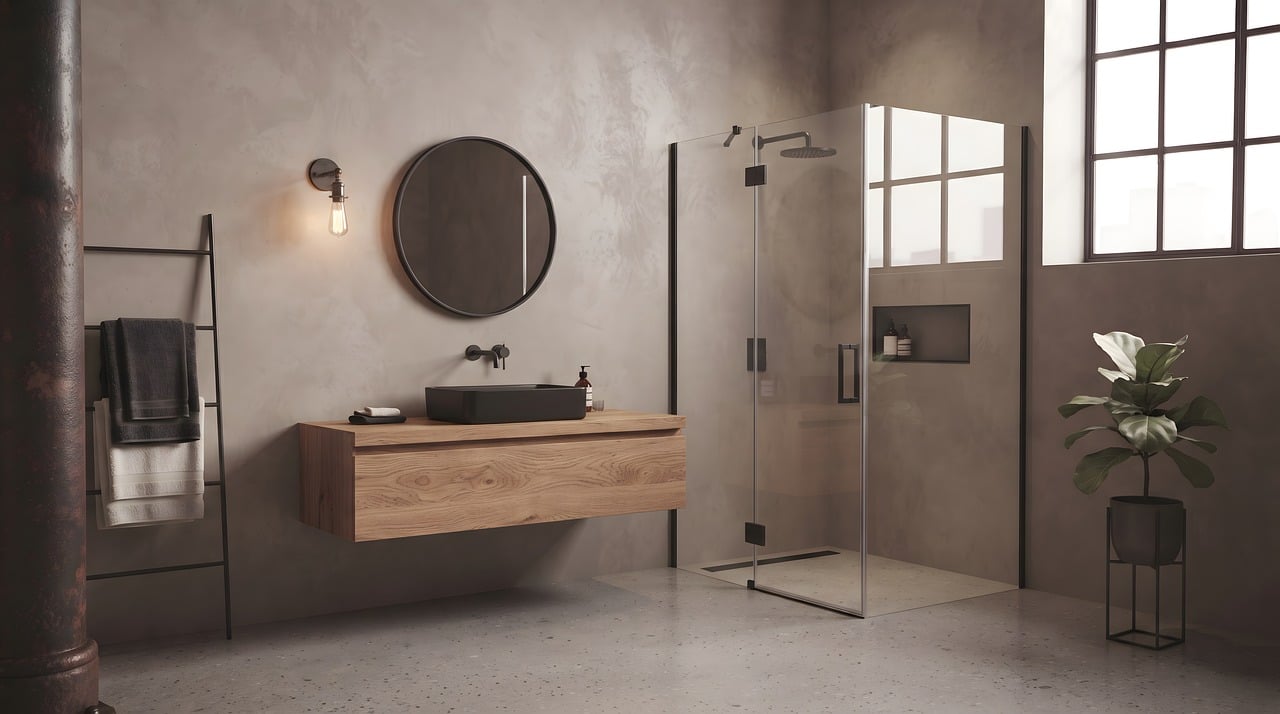
A lot of homeowners treat the bathroom vanity as an afterthought, something to pick in ten minutes once the kitchen decisions are done. That is a mistake in Austin, where the bathroom counter faces a set of conditions the kitchen mostly escapes: mineral heavy tap water splashed several times a day, steam trapped in a small room, and a steady assault of toothpaste, hair products and makeup. Choosing a vanity top that suits those conditions takes a little more thought than matching it to the tile.
Why Austin Water Leaves Its Mark
Austin draws its drinking water from the Colorado River through the Highland Lakes, including Lake Travis, and the surrounding landscape is largely limestone. Water that moves through limestone picks up calcium and magnesium, which is why many households in Travis County see white crust on faucet aerators and chalky rings where a cup stood overnight. On a vanity, that residue collects around the faucet base and along the back edge where water pools.
How visible those deposits are depends mostly on color and finish. A glossy black or deep navy vanity top shows every dried droplet. A matte white surface hides the white residue but can show soap scum as a slightly duller patch. Light gray, cream and stone colors with gentle variation are the easiest to live with. Some homeowners who love a dark counter keep a small microfiber towel by the sink and dry the area after each use, which works, but only if every member of the household plays along.
Removing Mineral Rings Safely
The usual advice for hard water is vinegar, and on a vanity that advice can backfire. Vinegar is an acid. On engineered stone or solid surface, a diluted vinegar wipe rinsed away promptly is generally fine. On marble, travertine or limestone, which are all calcium based, it will etch a dull spot into the polish. For natural stone, use a cleaner made for stone and a plastic scraper or soft pad for stubborn crust.
Steam, Humidity and the Small Bathroom
The city's humid subtropical climate already puts plenty of moisture in the air for much of the year. Add a hot shower in a bathroom with a weak exhaust fan and the vanity spends a good part of each morning damp. Nonporous materials such as engineered stone and solid surface handle that easily. Porous natural stones need their stone sealer kept up, especially the area right around the sink, where water sits longest.
The bigger moisture risk is often the joints rather than the top itself. The caulk line between the vanity and the wall, and the seal around an undermount sink, are where mildew starts. A mildew resistant silicone in a color close to the counter, renewed when it begins to darken or pull away, keeps water out of the cabinet below. Running the fan for a while after each shower helps everything in the room last longer.
What Spills on a Vanity
The bathroom counter collects a different set of hazards than the kitchen. Some of the common ones:
- Hair dye and self tanner, which can stain porous stone and light colored grout.
- Nail polish and nail polish remover, a solvent that can dull some resin based surfaces if left to sit.
- Toothpaste, which contains mild abrasives and leaves a film that hardens when ignored.
- Hot styling tools set down directly on the counter, a real risk for engineered stone and solid surface.
- Perfume and alcohol based products that can eat into some sealers and finishes.
A tray for daily products and a heat resistant mat for curling irons and straighteners prevent most of that damage regardless of the material chosen.
Comparing Materials for the Bathroom
Engineered Stone
Engineered stone is the most common vanity choice for good reason. It does not absorb water, it resists most cosmetic stains, and it comes in quiet patterns that hide water spots. The one rule is to keep hot tools off it.
Granite
Granite brings a natural look and handles heat from styling tools without trouble. Choose a dense, darker or speckled granite if hard water spotting is a worry, and keep it sealed near the faucet.
Solid Surface With an Integrated Sink
Solid surface materials like Corian can be formed so that the sink bowl and the counter are a single piece. There is no rim, no seam and no crevice for grime or mildew to settle into, so the whole top wipes clean in one pass. That makes it a strong option for a children's bathroom or a rental. It is softer than stone, but light scratches can usually be buffed out, and the seamless bowl is the main reason people choose it.
Marble and Other Calcium Stones
Marble is traditional in bathrooms and looks wonderful, but it is the material most affected by hard water cleaning habits, acidic products and etching. It suits a guest bath or powder room better than a busy shared vanity.
Small Tops and Remnant Slabs
Vanity tops are short, which opens up a practical option the kitchen rarely allows. Fabricators keep leftover pieces from larger jobs, and a single vanity can often be cut from one of those remnants instead of a full slab. That widens the choice of premium stones for a small bathroom, since a piece too small for a kitchen island may be just right for a powder room. Selection is limited to whatever happens to be in the yard, so it pays to bring rough measurements and stay flexible on color.
Remnants are especially useful in older neighborhoods like Hyde Park, where bungalow era bathrooms are compact and a vanity might be only a couple of feet wide.
Sink Style and How It Affects Cleaning
The sink choice changes the daily cleaning more than most people expect.
- Undermount sinks sit below the counter, so water and toothpaste can be wiped straight into the bowl. The stone edge around the cutout needs a polished finish, and the seal underneath needs occasional attention.
- Integrated sinks in solid surface remove that seal entirely, which is why they are popular in heavy use bathrooms.
- Vessel sinks sit on top of the counter. They look dramatic, but the area around the base collects grime and mineral rings, and they splash more.
- Drop in sinks have a rim resting on the counter. They are simple and forgiving but trap debris along the edge.
Faucet placement also matters. A wall mounted faucet keeps the counter behind the sink clear, so there is no faucet base for hard water to crust around.
Height, Depth and Double Vanities
Many newer homes use a taller, counter height vanity instead of the lower size common in older houses. Taller tops are easier on adult backs but harder for small children, so a family bathroom might pair a taller vanity with a sturdy step stool. Depth matters too: a shallow vanity saves floor space but leaves less room around the sink, which means more splashing onto the counter.
A long double vanity in a primary bathroom may run beyond a single piece of stone and require a seam. Placing that seam between the two sinks, rather than next to a faucet, keeps it away from standing water.
Working With a Fabricator
Shops that cut kitchen countertops Austin homeowners order almost always make vanity tops as well, and it is often efficient to have both done at once so the bathroom piece can come from the offcut of the kitchen slab. When getting a vanity top measured, have the sink and faucet chosen and on hand so cutouts are made to the actual fixtures. Ask whether a side splash is needed where the vanity meets a side wall, and whether the backsplash will be the same stone or tile.
A good vanity top in an Austin home is one that keeps looking clean between scrubbings despite hard water and steamy mornings. Pick the surface with that daily reality in mind, and the bathroom will stay easy to care for long after the remodel dust settles.